Speech Development
Simple Ways to Encourage Your Toddler's Speech at Home
December 2025 · 5 min read
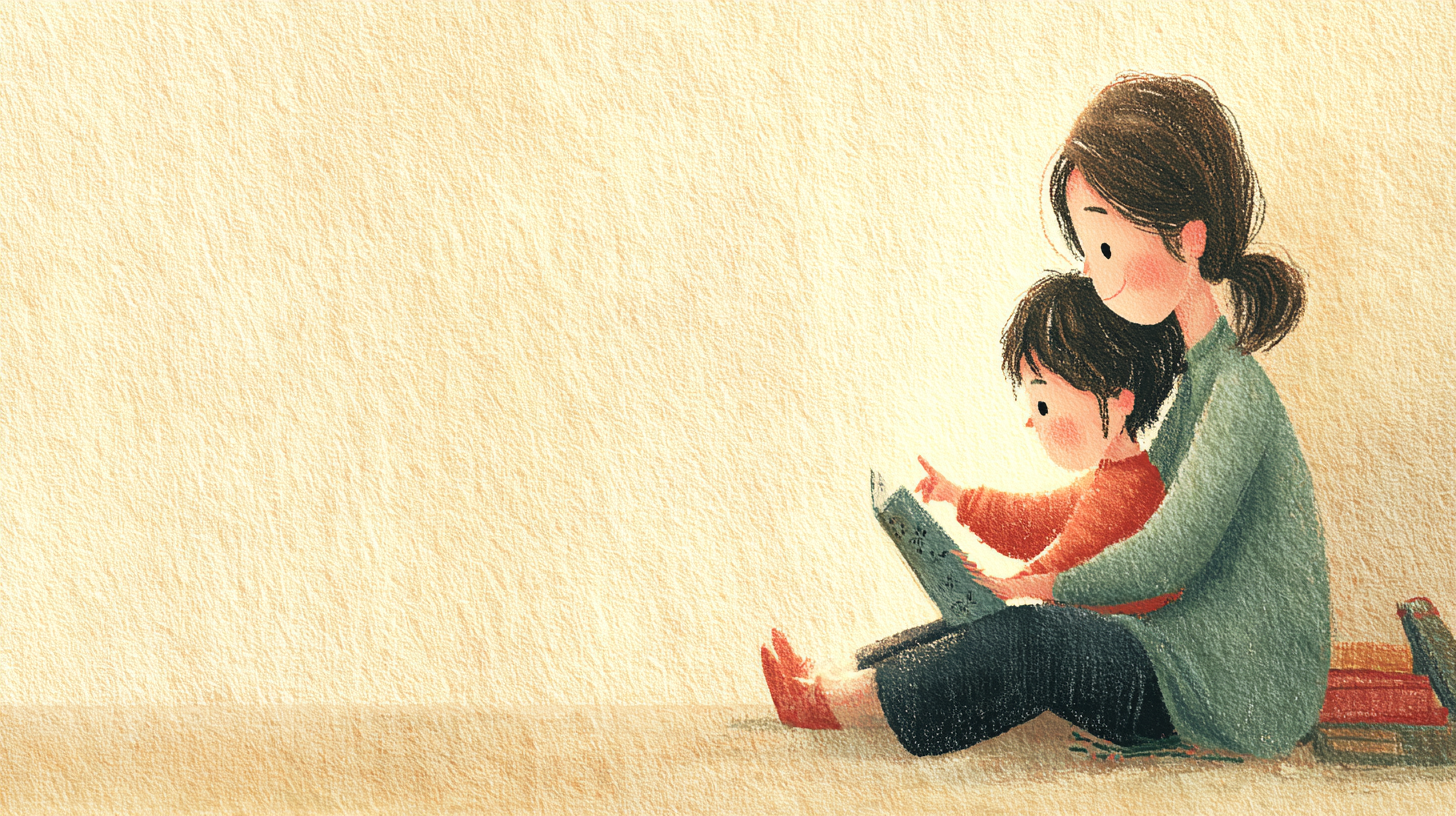
You don't need flashcards, apps, or special equipment to support your toddler's speech development. The best opportunities happen during everyday moments you're already having—meals, bath time, walks around the neighborhood.
Here are some simple, practical ways to encourage your child's communication skills at home.

1. Narrate Your Day
Talk through what you're doing, even if it feels silly. "I'm putting on your shoes. First the left foot, now the right foot. Let's tie them up!" This constant stream of language gives your child exposure to words, sentence structure, and how language connects to actions.
You don't need to quiz them or wait for responses. Just talk. They're absorbing more than you think.
2. Get on Their Level
Physically get down so you're face-to-face. Kneel, sit on the floor, lie on your belly—whatever puts you at eye level. This helps your child see your mouth forming words and makes communication feel more like a conversation than instructions from above.
It also signals that you're fully present, which makes them more likely to engage.
3. Follow Their Lead
If your toddler is interested in trucks, talk about trucks. If they're stacking blocks, narrate the block stacking. Children learn language best when it's connected to something they already care about.
Resist the urge to redirect to something "more educational." Their current obsession is the curriculum.
4. Expand What They Say
When your child says "dog," you say "Yes! Big brown dog." When they say "more," you say "You want more crackers?" This technique—called expansion—models richer language without correcting them or making them repeat after you.
You're showing them the next step, not testing them on it.
5. Read Together (the Interactive Way)
You don't have to read every word on the page. Point at pictures. Ask "Where's the cat?" Let them turn pages, even if it's out of order. Make animal sounds. Pause and let them fill in familiar words.
The goal isn't finishing the book—it's having a conversation around it.
6. Embrace the Pause
When your child is trying to communicate, give them time. It's tempting to jump in and finish their sentence or guess what they want. But waiting—even just a few extra seconds—gives them space to find the words.
Silence can feel awkward. That's okay. Let it sit.
7. Sing Songs and Nursery Rhymes
Music and rhythm make language stick. Songs like "Wheels on the Bus" or "Old MacDonald" are repetitive by design—that repetition helps children learn patterns and anticipate what comes next.
Don't worry about your singing voice. They're not critics.
8. Limit Screen Time (Yes, Really)
Screens aren't evil, but they're not a substitute for human interaction. Children learn language from people, not videos. The back-and-forth of real conversation—taking turns, reading facial expressions, adjusting based on responses—can't be replicated by an app.
If screens are part of your routine, try watching together and talking about what you see.
9. Create Opportunities for Requests
Instead of anticipating every need, create small moments where your child has to communicate. Put a favorite toy in sight but out of reach. Offer a closed container they need help opening. Give them a choice: "Apple or banana?"
These little moments build the habit of using language to get needs met.
10. Don't Correct—Model
If your child says "goggy" instead of "doggy," resist the urge to say "No, it's doggy." Instead, just use the correct word naturally: "Yes, that's a doggy! The doggy is running."
They'll get there. Correction can make kids self-conscious; modeling keeps communication positive.
The Bottom Line
You're already doing more than you realize. Every conversation, every story, every silly song is building your child's language foundation. The best thing you can do is keep talking, keep listening, and keep showing up.
If you're doing these things and still have concerns about your child's progress, that's okay too. Sometimes a little extra support makes a big difference. If you're in the Kansas City area and want to talk it through, I'm always happy to help.

Molly Kolarik, CCC-SLP
Pediatric Speech-Language Pathologist serving the Kansas City area

Want more tips like this?
Get helpful speech therapy insights delivered to your inbox.